
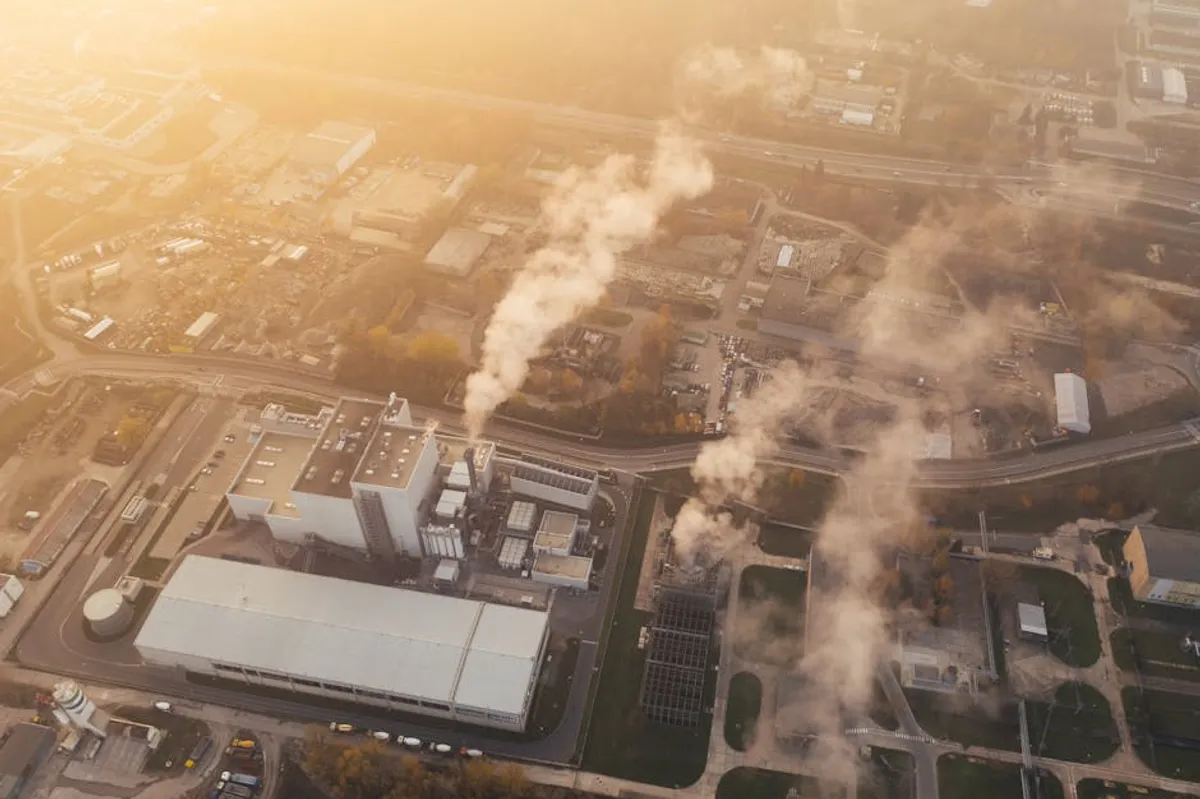
Businesses today operate under increasing scrutiny regarding their environmental footprint. Effective pollution control isn't merely a compliance burden; it's a strategic imperative that impacts operational costs, brand reputation, and long-term sustainability. Understanding the nuances of pollution control—from its fundamental definitions to practical implementation strategies—is crucial for any entity aiming for responsible operation and competitive advantage in a market increasingly valuing environmental stewardship.
Defining Pollution Control
Pollution control encompasses the processes and technologies designed to reduce or eliminate the discharge of harmful substances and energy into the environment. Its core objective is to prevent or mitigate adverse effects on human health, ecosystems, and natural resources. This involves managing various forms of waste and emissions to meet regulatory standards and often to exceed them, driven by corporate responsibility or stakeholder pressure.
The scope of pollution control extends beyond end-of-pipe solutions. It increasingly focuses on upstream interventions, such as process optimization, material substitution, and resource efficiency, to prevent pollution generation at its source. This proactive approach minimizes the need for costly treatment and disposal, often yielding economic benefits through reduced raw material consumption and waste management expenses.
Key Categories of Pollution and Their Control
Pollution manifests in diverse forms, each requiring specific control methodologies. Understanding these categories is foundational for developing targeted mitigation strategies.
Air Pollution Control
Air pollution involves the release of particulate matter, gases (like sulfur dioxide, nitrogen oxides, carbon monoxide), and volatile organic compounds into the atmosphere. Control strategies focus on preventing these emissions from industrial processes, vehicular exhaust, and energy generation.
- Particulate Control: Technologies such as electrostatic precipitators, fabric filters (baghouses), and cyclone separators remove solid particles from exhaust streams. These devices capture fine dust and aerosols before they are released.
- Gaseous Pollutant Control: Flue gas desulfurization (FGD) systems, selective catalytic reduction (SCR), and adsorption towers are used to remove sulfur dioxide, nitrogen oxides, and other harmful gases. Catalytic converters in vehicles transform pollutants into less harmful substances.
- Volatile Organic Compound (VOC) Control: Thermal oxidizers, catalytic oxidizers, and carbon adsorption systems are employed to destroy or capture VOCs emitted from painting, printing, and chemical manufacturing operations.
Water Pollution Control
Water pollution occurs when contaminants are discharged into water bodies, affecting aquatic life and human health. Control measures focus on treating wastewater before release and preventing runoff pollution.
- Wastewater Treatment: Municipal and industrial wastewater undergoes primary (physical separation), secondary (biological degradation), and often tertiary (advanced filtration, disinfection) treatment to remove solids, organic matter, nutrients, and pathogens.
- Stormwater Management: Best management practices (BMPs) like retention ponds, permeable pavements, and green infrastructure minimize pollutant runoff from urban and agricultural areas into natural waterways.
Land and Soil Pollution Control
Land and soil pollution results from the improper disposal of solid waste, hazardous chemicals, and agricultural runoff. Control aims to prevent contamination and remediate affected sites.
- Waste Management: Proper segregation, recycling, composting, and secure landfilling reduce the volume and toxicity of waste entering the soil.
- Hazardous Waste Treatment: Incineration, chemical stabilization, and bioremediation are used to neutralize or contain hazardous substances, preventing their leach into soil and groundwater.
- Erosion Control: Vegetative cover, terracing, and contour plowing prevent soil degradation and the transport of pollutants.
Pro Tip: Integrating pollution control measures early in facility design or process modification phases is significantly more cost-effective than retrofitting solutions post-operation. Early planning reduces capital expenditure and minimizes operational disruption, ensuring compliance is built-in rather than bolted-on.
Strategic Approaches to Pollution Management
Effective pollution control relies on a combination of regulatory compliance, technological application, and proactive management strategies.
Regulatory Frameworks and Compliance
Government agencies establish emission limits, discharge standards, and waste management protocols. Adherence to these regulations is non-negotiable for businesses. Compliance involves regular monitoring, reporting, and often permits for specific activities. Non-compliance can result in significant fines, operational shutdowns, and reputational damage.
Source Reduction and Prevention
This approach focuses on minimizing the generation of pollutants at the origin. Examples include:
- Process Optimization: Modifying manufacturing processes to use fewer hazardous materials or generate less waste.
- Material Substitution: Replacing toxic inputs with non-toxic or less hazardous alternatives.
- Resource Efficiency: Reducing water, energy, and raw material consumption, which inherently lowers waste and emissions.
Treatment and Disposal Technologies
When pollution cannot be entirely prevented, treatment technologies are essential. These range from physical and chemical methods to biological processes that neutralize or transform pollutants into less harmful forms. Secure disposal methods, such as engineered landfills for solid waste or deep-well injection for certain liquid wastes, are employed for residual materials that cannot be treated further.
Environmental Monitoring and Assessment
Continuous monitoring of emissions, discharges, and ambient environmental quality is critical. This data informs decision-making, verifies the effectiveness of control measures, and ensures ongoing compliance. Environmental impact assessments (EIAs) are conducted before new projects or expansions to predict and mitigate potential environmental harm.
Implementing a Robust Pollution Control Program
Establishing an effective pollution control program requires a structured approach, integrating environmental considerations into all aspects of operations.
- Conduct a Baseline Assessment: Identify and quantify all significant sources of pollution, including air emissions, wastewater discharges, solid waste generation, and hazardous materials use. This assessment provides the data necessary to set realistic reduction targets.
- Set Clear Objectives and Targets: Based on the assessment, define specific, measurable, achievable, relevant, and time-bound (SMART) goals for pollution reduction. These should align with regulatory requirements and corporate sustainability objectives.
- Select Appropriate Control Technologies and Strategies: Evaluate available technologies and management practices. Prioritize source reduction and prevention, then consider end-of-pipe treatment. Factors like cost-effectiveness, operational feasibility, and long-term sustainability are critical to this selection.
- Develop and Implement an Environmental Management System (EMS): An EMS, such as ISO 14001, provides a framework for managing environmental impacts. It includes policies, procedures, and responsibilities for environmental performance, training, and emergency preparedness.
- Monitor, Measure, and Report Performance: Regularly track key performance indicators (KPIs) related to pollution control. This includes emission levels, waste volumes, and resource consumption. Transparent reporting demonstrates accountability and progress to stakeholders.
- Conduct Regular Reviews and Continuous Improvement: Periodically review the effectiveness of the pollution control program. Identify areas for improvement, adapt to new technologies or regulations, and continuously strive for enhanced environmental performance.
Navigating Compliance and Impact
Moving beyond basic compliance, businesses that integrate robust pollution control into their core operations often realize benefits spanning reduced energy consumption, lower waste disposal fees, and enhanced public perception. This shift from reactive compliance to proactive environmental stewardship positions an organization for resilience in a market increasingly valuing sustainability. Effective pollution control is not merely an expense; it is an investment in operational efficiency, brand equity, and future viability.
Frequently Asked Questions
What is the primary goal of pollution control?
The primary goal is to minimize or eliminate the release of harmful substances and energy into the environment, thereby protecting human health, preserving ecosystems, and conserving natural resources.
How do regulations influence pollution control strategies?
Regulations set mandatory standards, limits, and reporting requirements for emissions and waste. They compel businesses to adopt specific control technologies and management practices to ensure compliance and avoid penalties.
Can small businesses implement effective pollution control?
Yes, even small businesses can implement effective pollution control. Strategies often involve source reduction, proper waste segregation, efficient resource use, and adherence to local environmental guidelines, often with support from local government programs.
What are the economic benefits of effective pollution control?
Economic benefits include reduced raw material costs through efficiency, lower waste disposal fees, potential revenue from recycled materials, energy savings, improved brand reputation, and reduced risk of fines or litigation.